


For over a century, cinema has been integral to human culture. Yet today, it’s hard for people to imagine the amazement of seeing moving pictures on a wall for the first time. Before that, reality could only be experienced through the written word, paintings, or photographs—nothing moved.
The documentary “Lumière, Le Cinema!” sets out to bridge that 130-year gap. Directed by Thierry Frémaux, this film explores the journey of the automated motion picture projector and the visionary goals behind it. Those goals were all thanks to the work of the Lumière brothers, Louis and Auguste – the masterminds who conceived this game-changing invention.
The Story of the Cinematographe
Directed by the Director of the Lumière Institute in Lyon, France, this film is like a time capsule. It features a narrator alongside archival footage from the Lumière archives—all filmed in 1895.
That was the time when the Lumiere brothers travelled to Paris to unveil their new invention, the cinematographe. What was really interesting about this was that it doubled up as both a camera and a projector. It lets filmmakers make extra copies of their work, which is basically the foundation of the whole film industry.
A Massive Leap in Technology
When we think about image projection, we can trace it back to 400 years ago. We already had still photography, which was 70 years old by the time the Lumiere technology came along. All of a sudden, the level of sophistication had shot through the roof.
- Limitations of Early Cinema: In the early days, cameras and projectors were hand-cranked. That meant the people operating them had to be super precise and also have a lot of stamina – not to mention a lot of endurance.
- The Lumiere Breakthrough: The real innovation came when Louis introduced the motorized projector. From that moment on, movie projection was standardised worldwide, and suddenly, cinema was a viable business.
The Documentary Experience
Frémaux’s approach is pretty straightforward yet really effective, despite the film’s simple format. The film’s got a bunch of short clips from the Lumiere archives, all paired up with beautiful, poignant classical music from Gabriele Foure. Four’s music even predates the Lumière brothers.
As for the film’s narrator, they provide a lot of good information and observations along the way. Sometimes the commentary feels a bit over-the-top, but it’s still solid stuff. That being said, it would be great to have a bit more specific information about the locations and actual names of the people involved to really give the viewer a clear picture of the time and place.
The Real Star: The Archives
The star of this review of Lumière Le Cinema is the footage on show. I mean, imagine walking into a cinema for the first time to see somewhere you’ve never been to or a job you’ve never seen anyone do. This was 30 years before sound – all you had was the chatter and murmur of the crowd and the whir of the projector.
Before the whole narrative cinema thing took off, what was really appealing was the idea of discovery. People would get to experience:
· A monument in London is being unveiled.
· A train chugging from Harlem to Lower Manhattan.
· A bare-knuckle boxing match in Atlantic City.
This stuff was shown in school auditoriums, synagogues, and barns all over the world, and somehow, it managed to connect all these strangers through these shared visual experiences.
The Footage That Made History and Fuels Debates
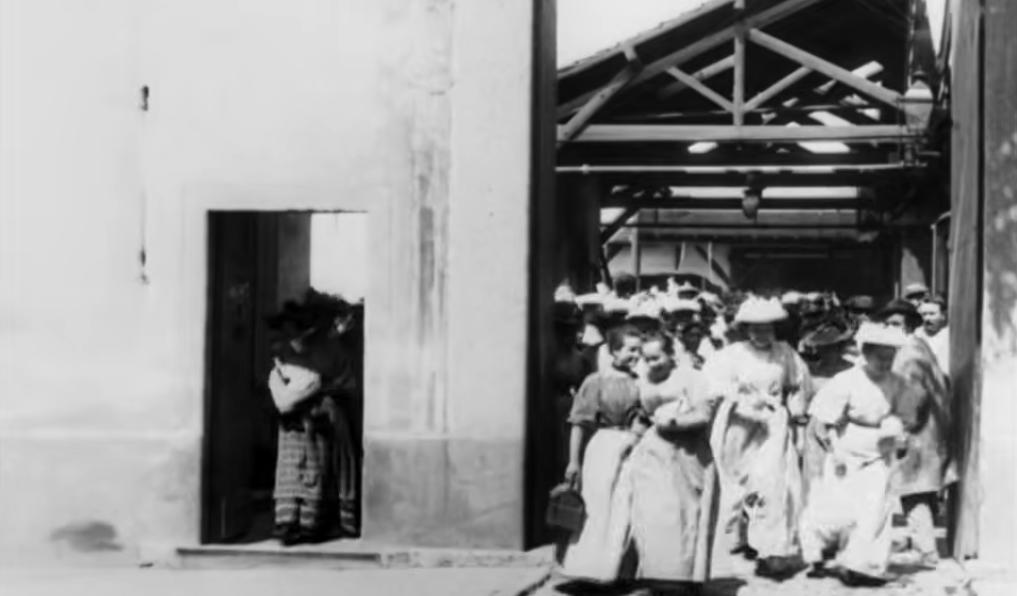
That first public demo reel? “Factory Exit”. It’s just a bunch of workers spilling out of the gates of the Lumière factory in Lyon at the end of the day. But did you know the Lumières filmed this 3 times? The documentary shows all three versions side by side, and now lots of film scholars are arguing over which one was the original public screening.
Another clip that gets a lot of attention is “Boarding for the Ride”. It’s basically an old home movie – it shows a family piling into a rowboat in Lyon. Not exactly earth-shattering, but it does show us a family that’s been gone a long time.
The Breathtaking Dullness of Silent Film
There’s one shot that features a train chugging into a tunnel from the roof of the locomotive. Nowadays, we get this sort of thing from dashcams all the time. Back in the 1890s, it must have blown their minds. This footage actually makes me think that both action movies and slow-moving, artsy films might have started here.
For people used to having their attention grabbed every second, watching everyday things happen in real time can be agonising. But if you can push through that, and:
1. ignore all the distractions
2. Just focus on the images on the screen
3. Even find a way to like the complete lack of sound
It becomes hypnotic, and you start to appreciate the simple beauty of a train rolling through a tunnel – how the darkness just frames the scenery.
Final Verdict: Is It Worth Watching?
“Lumière, Le Cinema!” does a great job of putting back the sense of wonder that people got from going to the cinema in the 1890s. It lets you experience reality in a whole new way. Yeah, the audio portion is pretty weak, but the images are so good on their own that it’s worth watching.
This documentary completely changes your perspective on history and how cultures interact with one another. If you’re into the history of cinema, then this is a must-watch.







Leave a comment