


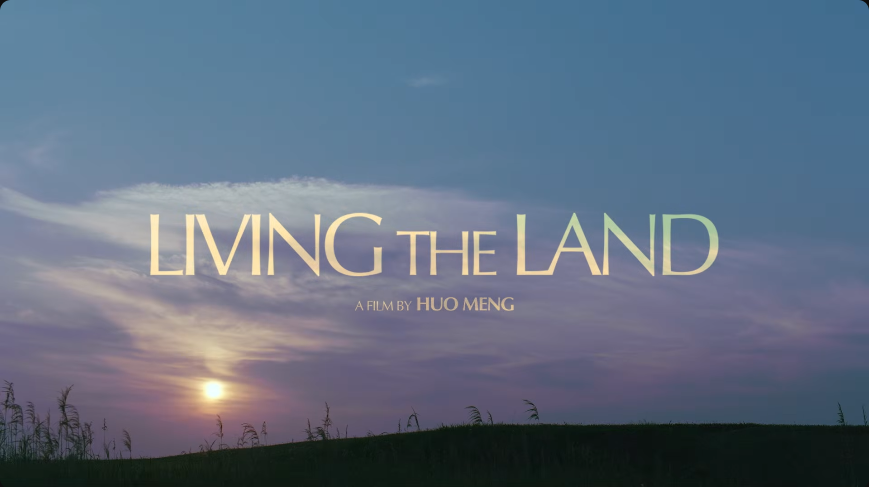
There is a specific type of cinema that doesn’t hit you over the head. It whispers. It waits. Huo Meng’s Living the Land is precisely that kind of film.
This isn’t your typical action-packed blockbuster. Instead, it is a 132-minute sensory bath in the wheat fields of Henan Province, circa 1991 . If you are tired of CGI explosions and want to remember what human storytelling feels like, this is your movie.
I walked into the theater expecting a slow burner. I walked out feeling like I had lived an entire lifetime. Let’s dig into why this film, which won the Silver Bear for Best Director at the Berlin Film Festival, deserves your attention in 2026 .
The Premise: Left Behind in a New China
Let’s be honest: the setup sounds brutal.
It is 1991. China stands on the edge of a massive economic shift. The cities are glowing with the promise of industrial jobs, leaving the countryside in a strange limbo. We meet 10-year-old Xu Chuang (Wang Shang), a kid with a forgettable name in a family that seems to have forgotten him.
His parents and older siblings leave for Shenzhen to chase factory wages. They dump Chuang at the doorstep of his extended family—his uncle, his great-grandmother, and a young aunt named Xiuying .
He wets the bed. He gets bullied at school. He doesn’t quite fit into the “Li” household because his surname is different . It is a rough start. But here is the magic trick Huo Meng pulls off: he doesn’t turn this into a misery fest. Instead, he turns the camera toward the harvest.
A Love Letter to the Seasons
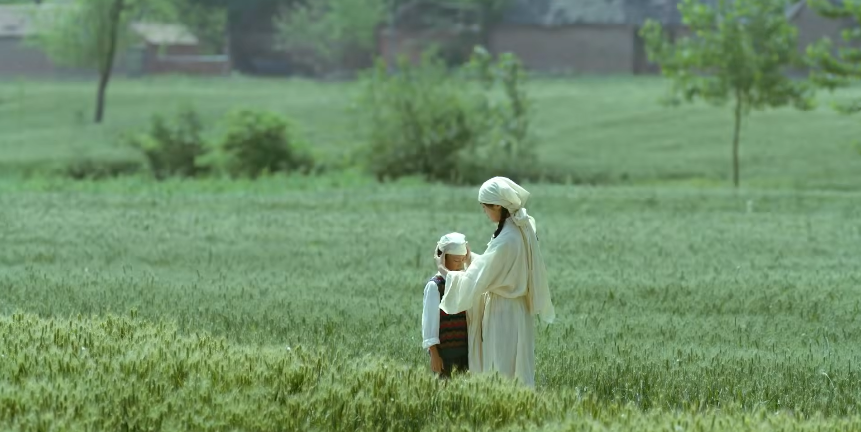
The smartest choice the director made was the timeline. Living the Land doesn’t just tell a story; it tracks a full cycle of seasons. We see the frost melt. We see the wheat planted. We see it cut.
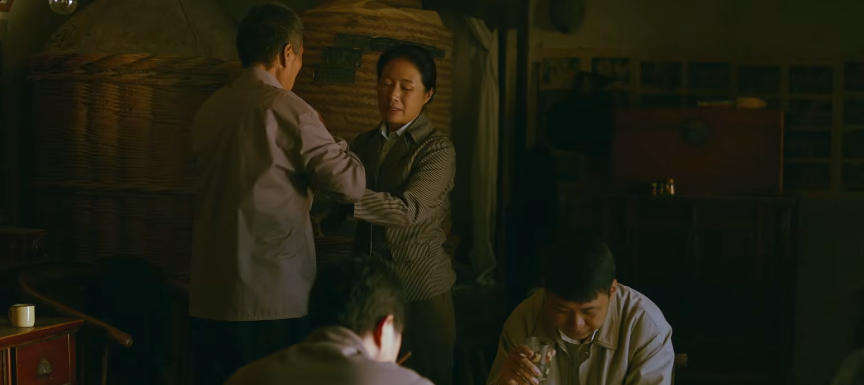
Cinematographer Guo Daming deserves a round of applause. The shots of the Yellow River Valley are not just pretty postcards; they are tactile. You can almost feel the dirt under your fingernails .
The director uses the landscape like a clock. Spring brings weddings. Summer brings labor. Winter brings death. It is cyclical. It feels real because, for a billion people historically, this was reality.
One scene that stuck with me involves a radio broadcast. While the characters are hunched over, working the soil, the radio chatters about civil unrest in Ethiopia and Kuwait. It is a tiny detail, but it reminds you that the world is moving, even if this village feels stuck in time .
The Characters: Strength Without Speech
You won’t find long monologues here. These farmers speak in grunts, sideways glances, and shared meals.
- Great-Grannie (Zhang Yanrong): She is the anchor. She is surly, old, and tougher than leather. She doesn’t offer hugs; she offers wisdom. She talks about how the human body is just “a bunch of cells” that scatter into the wind and the river when we die. It sounds morbid, but in her mouth, it sounds like a lullaby .
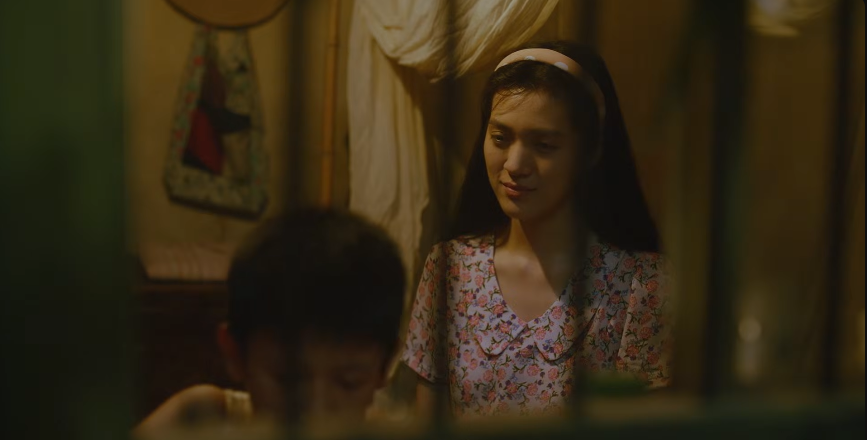
- Aunt Xiuying (Zhang Chuwen): She is the tragic heart of the movie. She is in love with a local teacher, but her family wants her to marry a wealthier, politically connected man . Her silent rebellion is devastating to watch.
- Chuang (Wang Shang): The kid is a natural. Since the director used many non-professional actors, Wang Shang brings a raw awkwardness to the role. He isn’t “acting” sad; he just looks like a lost kid .
Why It Won the Silver Bear (And Why You Should Care)
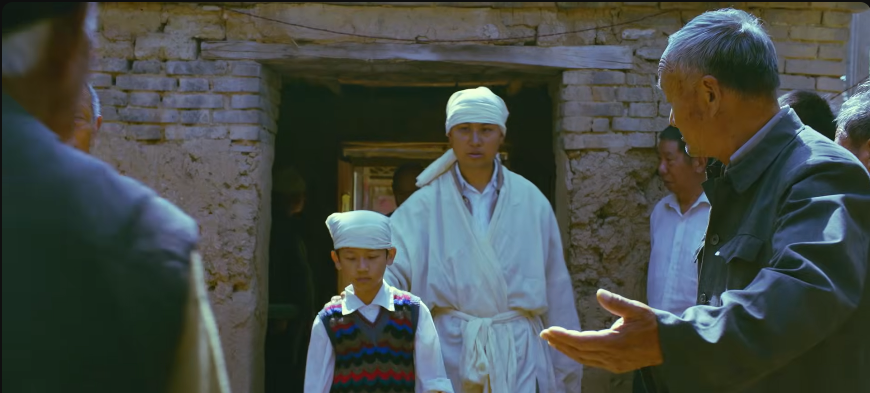
Huo Meng won the Best Director award in Berlin for this film. Usually, when a director wins that prize, it means they did something technically flashy. Long tracking shots. Crazy editing.
But Huo Meng won because he practiced restraint .
He never forces the drama. When the village learns about machines that can “do the work of a whole village,” there is no screaming. There is just a heavy silence. The adults look at their calloused hands. They wonder what they are for anymore .
Furthermore, the film doesn’t shy away from the intrusive reality of government policy. There is a specific plot point involving the One-Child Policy. When a sister-in-law gets pregnant with a third child, the family panics. They try to cheat the system by sending Xiuying for the mandatory check-up .
It is a quiet act of defiance, but it highlights how politics seeps into the bedroom and the wheat field.
The Verdict: Slow Cinema for the Soul
Let me be real with you. This movie is not for everyone.
If you need a plot twist every seven minutes, skip it. If you hate reading subtitles (it is in Mandarin), skip it. But if you love observational cinema—films that act as a time machine—Living the Land is a masterpiece.
It feels like a documentary from the future looking back. It captures a specific moment in history: the exact second when 1,000 years of farming tradition collided with the 20th century.
What Works:
- Visual Poetry: Every frame looks like a painting.
- Authenticity: The non-professional actors bring a genuine weight to the labor scenes.
- Emotional Payoff: You don’t realize how much you love these characters until the final harvest.
What Doesn’t:
- The Pace: It is slow. Glacial, even. Bring your patience.
- The Scope: Don’t expect a wild narrative. It is a slice of life, not a three-act Hollywood structure.
Final Score: 4/5
Living the Land is currently playing in theaters starting April 3, 2026, distributed by Film Movement . It is a valuable piece of world cinema that acts as a reminder: progress has a price, and the soil remembers everything.
Watch it if you liked: Vermiglio (2024), The Taste of Things, or any film by Andrei Tarkovsky.
Living the Land
- Rating8




Leave a comment