


Late Shift Movie Review: A Raw Look at Nurse Burnout
We often hear that healthcare has ultimate job security. The idea makes sense: people get sick, and nurses will always be needed. But here’s the point – while the demand for nurses is skyrocketing, the number of nurses leaving their jobs in healthcare is just falling off a cliff. It’s a global crisis, and it’s exactly what Petra Volpe’s latest film, Late Shift, takes a long, hard look at.
By the time the credits roll at the end of the movie, you get hit with a sobering World Health Organisation stat about how there’s a looming 13 million worker shortage in the healthcare industry by 2030. That number just weighs heavily over the whole experience. At a time when shows like The Pitt are getting all sorts of attention for their chaotic and dramatic ER scenes , Late Shift feels completely different. It’s much quieter & much more personal & genuine. It doesn’t really matter if you’re over in Switzerland or here in the US – the pressure on the healthcare workers feels painfully familiar.
If you’re wondering if this healthcare drama is worth your Friday night out, read on. This Late Shift movie review breaks down the performance of the film , the style & the hard truths it tells in a really honest way.
What Is Late Shift Actually About?
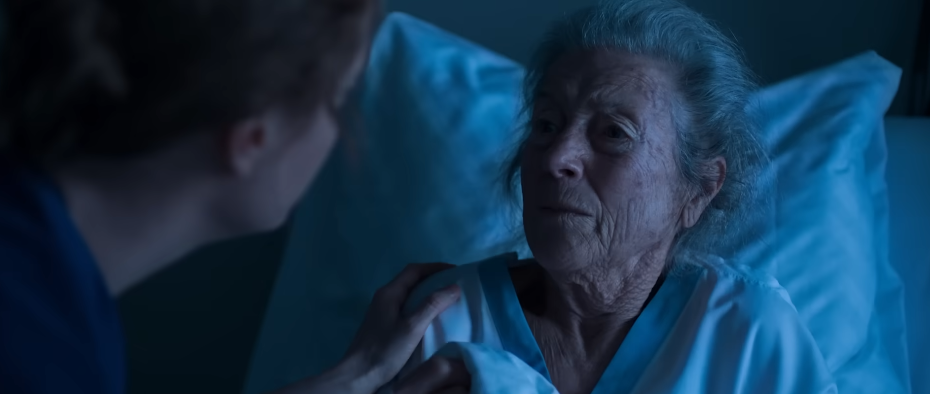
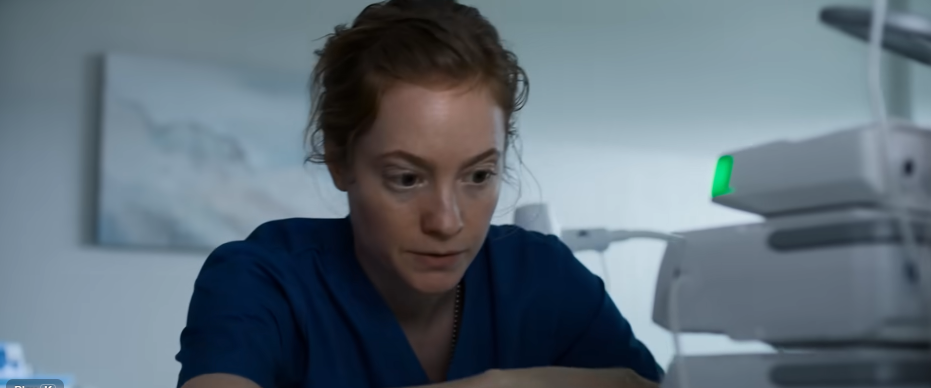
The film tells the story of Floria, played by Leonie Benesch, who is working a night shift at a Swiss hospital. This isn’t exactly a typical medical drama with doctors doing all sorts of dramatic surgeries & crazy rescues . Instead, the film simply plays out in real time.
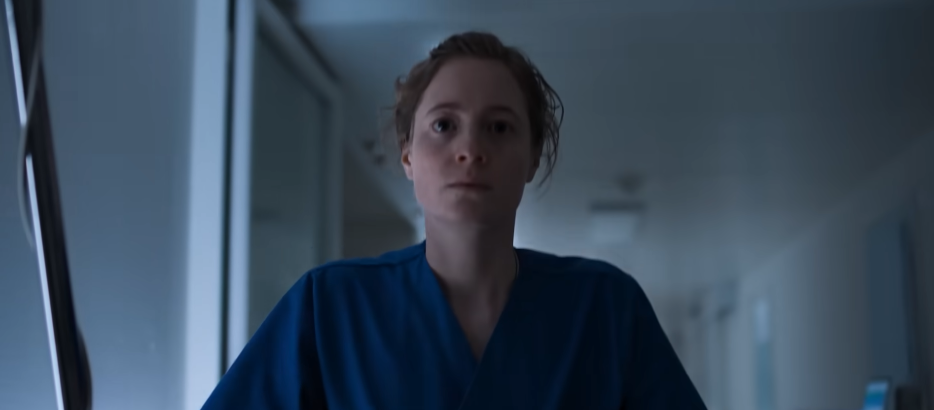
Even though it is edited, the movie flows along like it was one single, long, unbroken shot. You follow Floria as she moves down the hospital corridors, gets into the elevator, & goes into the patients’ rooms. Her hands never stop moving. She’s training new staff, answering phones, prepping meds & comforting patients all at once.
There’s no let-up in the action . The pacing of the film forces you to feel the same frantic sense of anxiety that Floria feels. It’s not just that she’s really busy; it’s that she’s expected to be a machine. The system demands that she works efficiently, but what she needs to do is be human. Watching her try to balance the two is where all the real tension in the movie comes from.
Leonie Benesch Really Carries The Film
Now let’s talk about the lead performance. In lots of workplace dramas, the whole cast shares the load. In this film, though, the film really rests on Leonie Benesch’s shoulders. And to be honest, she nails it.
Her portrayal of Floria is measured & diligent. You can see the conflict between following orders and being nice to people happening right there on her face. She has to be tough enough to deal with difficult patients & families yet soft enough to be comforting to someone waiting for bad news about their health.
One minute, she’s dealing with some wealthy patient who’s being super picky & complaining about the tea being late. The next minute, she’s trying to support Mr. Leu, who’s being given the sack by some uncaring doctor. Benesch does an incredible job of showing Floria’s strength & warmth even when everything around her is going wrong. It’s a really solo performance, which is kind of fitting because when you’re as overworked as Floria is, you end up feeling alone in a crowd.
Empathy Over Analysis
The thing that makes this nurse burnout documentary stick with you is that it focuses on empathy, not polemics. Volpe’s not trying to give you a lecture on healthcare policy, or even make you feel guilty for what’s wrong with the system. Instead, she creates a connection between the nurse and the viewer that feels almost like you’re walking alongside her.
Hospitals usually feel like in-between places – a stop on the way to somewhere better, or at least somewhere that’s not this crowded and overwhelming waiting room. But Late Shift feels like a stuck elevator – the patients are waiting for the care that the system can’t deliver, and Floria’s stuck trying to make do with what she has.
The close perspective we get in this film is where things get a bit tricky, though. Because we’re so deeply inside Floria’s world, the patients kind of fade into the background. We remember them by their conditions – that guy who needs a gallbladder removed, the smoker with the cough, the nice man from Burkina Faso – but we don’t really get to know them as people. Is that on purpose, the way the rush of the hospital prevents deep connections? Or is it just the natural result of how the film is put together? Either way, you’re left wishing for a little more insight into the people who are waiting in pain.
Final Thoughts
Volpe’s film doesn’t fix the healthcare crisis, but it makes you feel the weight of it. It’s a reminder that behind the stats and the news stories are people like Floria – people who are running on empty just to keep everyone else alive.
If you like character-driven stories that put emotion first, this Late Shift movie review thinks you should give it a shot. Just be prepared – it might make you see your next hospital visit in a whole new light.
Late Shift Movie Rating: My Take, Good and Bad Review
Summary
Late Shift is a character study that makes you feel the human cost of understaffing in the hospital. It doesn't do much to flesh out the patients' stories, but it isn't trying to put on a 3-hour show about the crisis either. It's a reminder that when the system is failing, the people who matter most are the ones on the front lines.
The Pros
Leonie Benesch Steals the Show: She gives a performance that feels raw and utterly convincing - you can almost feel your own blood pressure rising right along with hers. You're Right There with the Staff: The real-time style they used for the movie puts you smack in the middle of the hospital hallway with the rest of the crew. That Final Shot is a Killer: It's a masterclass in capturing both the emotional weight of what we're seeing and the exhaustion that comes with it.The Cons
The Patients Get Lost in the Shuffle: Because things are moving so fast, we don't get to know much about the people who are waiting for care. They're just sort of... there. At Times Felt like a PSA: Some of the moments where the film was trying to drive home the importance of staffing felt a bit too on the nose. Leaves you Wanting More: It's a powerful film, but it's also a bit frustrating - there are questions it raises that it doesn't really answer, and stories it tries to tell that it doesn't quite get around to.- Rating3.75












Leave a comment